Becoming a Grief-Informed School

Building understanding, confidence, and practical strategies for supporting students experiencing grief and loss.

Grief In Schools

Every educator is likely to teach students who are grieving — whether or not those losses are ever shared. Schools can't prevent loss, but they can help students understand grief and ensure students don't face it alone.

IMPACT OF GRIEF

Grief can look different across ages and developmental stages. Educators may notice changes — increases or decreases — in:

  • Concentrating or completing schoolwork
  • Attendance or participation
  • Emotional regulation
  • Interactions with peers and activities

Grief may also become more visible around anniversaries, holidays, or other meaningful dates.

UNADDRESSED GRIEF

When grief goes unaddressed, it can show up as:

  • Academic challenges
  • Difficulty concentrating and learning
  • Increased conflict with peers
  • Anxiety and depression
  • Risk-taking behaviors, including substance use
  • Feelings of isolation and disconnection

The Benefits of Grief-Informed Schools

Grief-informed schools help create environments where students feel seen, supported, and understood.

When all stakeholders — administrators, mental health professionals, teachers, staff, parents/caregivers, and students — are fully grief-informed, they share a common understanding of grief and the whole community can benefit with:


Why School-Based Grief Education is Essential for All Students

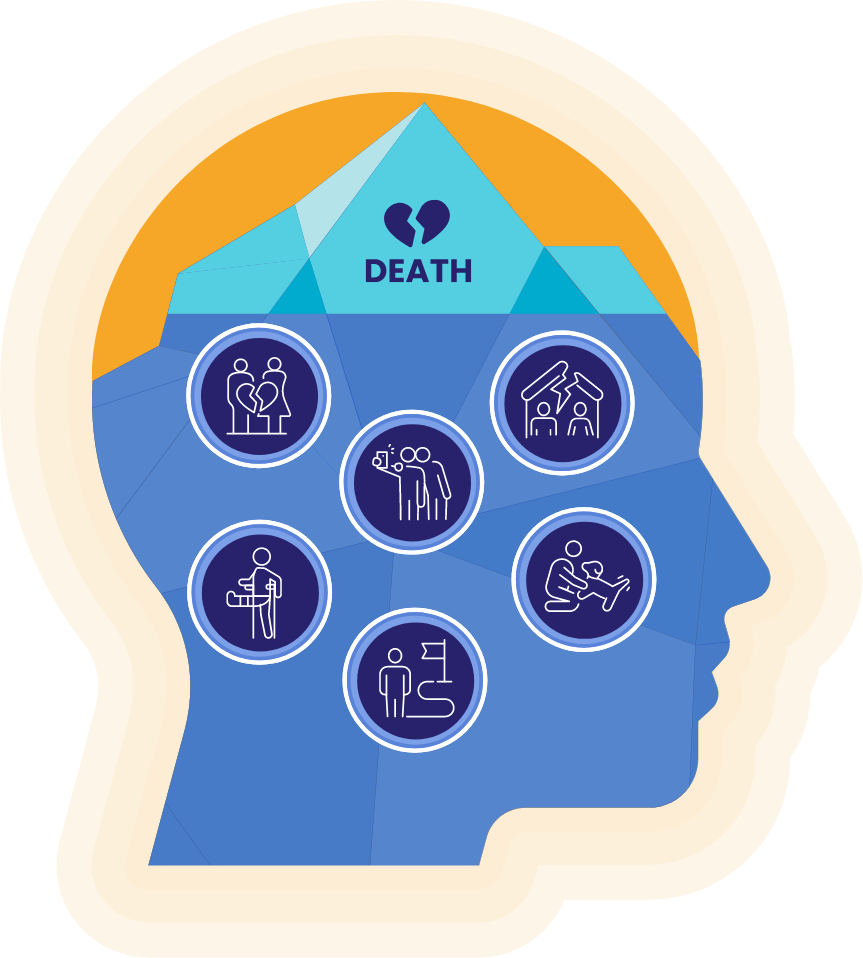
Grief isn’t only about death. Students may experience loss through many common life experiences, including:

Best Practices

The Collaborative worked with a National Task Force to develop guidelines for effective grief education. The Task Force includes: 

  • Dr. Donna Schuurman
  • Vicki Jay
  • Dr. Pamela Gabbay
  • Dr. Tashel Bordere
  • Andy McNiel

These practices should be reviewed and incorporated before any teaching begins.

Effective grief education starts with:

The Roadmap to Becoming Grief-Informed

 Click any stop along the road to explore that step.

Interactive Roadmap — Becoming a Grief-Informed School

Step 1 of 5

Build Awareness of the Need

Develop an understanding of loss, grief, and their impact on the school community.

The first step is developing a shared understanding of loss and grief, and recognizing the many ways they may be experienced and expressed within your school community.

To help your school build this foundation, we've provided the following resources on the NJGC website:

Step 2 of 5

Develop Knowledge and Skills

Provide grief education and trainings for your school community.

Once there is an awareness of how loss and grief can impact students and staff, schools can deepen their understanding through professional development and training.

To fulfill the mandate, the members of the NJGC offer professional development to staff and a comprehensive curriculum for students, which you can learn more about here.

Select centers also provide training to:
  • School and district admin
  • Mental health professionals
  • Teachers and school staff
  • Parents and caregivers
  • Students

Step 3 of 5

Designate Grief-Informed Staff To Develop Practices

Designate at least two staff members, or even a team, to be the go-to for all things grief-related.

We recommend designating two or more staff members to become the point people in crafting grief-informed policies and procedures for your school.

This can look like:
  • Attending additional grief-specific trainings
  • Compiling resources from this website and others pertinent to their school community
  • Creating policies on how to respond and provide support when a death occurs within the school community
  • Developing a plan for when a student or staff member experiences a death

Step 4 of 5

Continued Partnership

Commitment to ongoing partnership with local bereavement centers.

You don't have to do this alone! Our centers are available to provide trainings, workshops, resources, and more as your school works to become grief-informed. Schools should never feel they need to create new practices alone.

A continued partnership with your local bereavement center:
  • Ensures your school is receiving the most current, evidence-backed, grief-informed resources
  • Provides access to as-needed consultation

Step 5 of 5

Create a Sustainable Model

Continue to strengthen and reassess grief-informed practices.

To maintain a grief-informed school community, we recommend:
  • Ensuring new staff members receive grief-training
  • Reviewing grief-informed practices and resources annually
  • Gathering feedback from staff, students, and families on grief resources and practices
  • Creating a school culture that is open to talking about loss and grief at all levels
Becoming grief-informed is ongoing — most schools revisit Step 1 every year as staff and students change.

By The Numbers

The Reality of Childhood Grief

Childhood bereavement rates have increased over the past two decades, highlighting the growing need for grief-informed education, support, and resources.

Research consistently shows that grief can affect students’ academic performance, emotional well-being, social relationships, and overall school experience.

Grief-informed schools and communities help ensure that students do not have to navigate loss alone. In these communities, educators are better equipped to respond with understanding and support and students are aware of resources and skills to support themselves and their peers.

Approximately

1 in 13 Children

in New Jersey will experience the death of a parent or sibling by age 18, representing 151,000+ children across New Jersey. Of these children: 

Projected to Experience The Death of a Parent

136,000

Projected to Experience The Death of a Sibling

16,000

This number more than DOUBLES by age 25.

Source: 2026 Childhood Bereavement Estimation Model (CBEM)

How The NJ Grief Collaborative Can Help

Professional Development and Training

All NJGC member organizations provide professional development and training for all stakeholders to get you one step closer to becoming a grief-informed school. Submit our contact form to inquire about trainings and other professional development opportunities. A member of our team will reach out and find the best center for your needs. 

The coalition has come together to create curriculum and lesson-planning resources for all qualified schools. Professional development training is required to receive access to these materials. 

To get started, download and view our sample curriculum and then get in touch!

The Language of Loss: Creating a Grief-Positive Culture is a powerful, arts-driven educational experience developed through The ECHO initiative in partnership with Common Ground, Stephy’s Place, LEAD U, Jaded Gordon, and Pamela Scarpa. Designed on the belief that grief must be experienced and understood, not just taught, this 90-minute assembly helps school communities build empathy, connection, and emotional awareness in a deeply human way. 

For more information, or to book an assembly, please contact Lynn Snyder at lynn@commongroundgriefcenter.org.

For general support about the mandate and consultations on how to implement the mandate, fill out our contact form and a member of our team will reach out to you!

Are you grieving and looking for support?

All member organizations are here to support you through connections to grief organizations, presenter and speaker referrals, and family/caregiver resources.  

Stories of Impact

Real Support. Real Impact.

Hear from educators, families, and community members who have experienced the power of grief-informed support in action.